AI in Healthcare: Your Smartphone is Becoming Your Primary Doctor
Through the power of Artificial Intelligence, the device sitting in your pocket is no longer just a communication tool; it has evolved into a sophisticated medical monitor capable of detecting life-altering conditions long before a human doctor could see the symptoms.
⏱️ 5 minutes
For decades, healthcare has been reactive: you feel a pain, you book an appointment, and you wait for a diagnosis. But in 2026, the paradigm has shifted. We are moving from «Sick-care» to «True Healthcare.»
1. The «Invisible» Check-up
We’ve moved far beyond simple step-counting. Modern AI models can now analyze data from your smartwatch and smartphone with clinical precision.
Cardiovascular Monitoring: AI algorithms now detect atrial fibrillation and other arrhythmias with 99% accuracy by analyzing heart rate variability patterns over weeks, not just minutes.
Respiratory Health: Emerging apps use your phone’s microphone to analyze the sound of a cough or breathing patterns during sleep. These «Acoustic Biomarkers» can identify early signs of asthma, pneumonia, or even sleep apnea with surprising reliability.
2. Predictive Diagnostics: Catching it Early
The real magic of AI in 2026 is its ability to connect dots that are invisible to the human eye.
Dermatology in your Pocket: By taking a photo of a suspicious mole, AI models trained on millions of biopsy images can instantly categorize the risk level. While not a final diagnosis, it acts as a crucial «early warning system» that prioritizes urgent cases for specialists.
Mental Health Patterns: AI agents can now analyze changes in your digital behavior such as typing speed, sleep cycles, and social interaction frequency to flag early signs of depression or burnout, suggesting a «mental health day» or professional consultation before a crisis hits.
3. Personalized Medicine and Longevity
The «one-size-fits-all» approach to medicine is dying. AI is now used to tailor treatments to your specific genetic makeup and lifestyle.
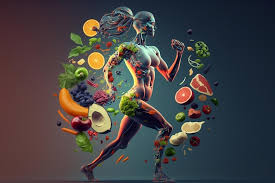
Nutritional AI: By integrating continuous glucose monitors (CGM) with AI, users can see exactly how specific foods affect their unique metabolism in real-time.
Drug Discovery: On a global scale, AI is shortening the time it takes to develop new vaccines and treatments from years to months, simulating how molecules interact with human cells before a single physical test is even conducted.
The Human-AI Partnership
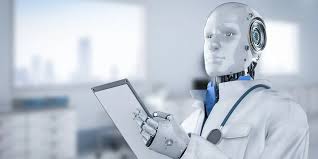
It is important to understand that AI isn’t here to replace doctors, but to supercharge them. By filtering out the noise and handling routine monitoring, AI allows physicians to focus on what they do best: complex decision-making and human empathy.
In 2026, the most important medical tool isn’t the stethoscope it’s the algorithm that knows your body better than you do. We are entering an era where your health is managed in real-time, every second of every day.
Would you trust an AI’s diagnosis over a human doctor’s opinion? Or do you think technology should only be used as a secondary tool?