
The Ethics of AI Friendships: Why Millions are Turning to Digital Companions
While the technology offers a cure for the global «loneliness epidemic,» it also opens a Pandora’s box of ethical questions. As millions of people begin to form deep emotional bonds with algorithms, we must ask: Is a friendship real if only one party has a heartbeat?
⏱️ 4 minutes
In 2026, the boundary between «user» and «friend» has blurred. What started as simple voice assistants helping us set timers has evolved into sophisticated Digital Companions AI entities capable of remembering our secrets, validating our feelings, and providing 24/7 emotional support.
1. The Loneliness Bridge
Loneliness has been called the «new smoking» due to its impact on physical health. For many the elderly, those with social anxiety, or people in isolated areas AI friends provide a vital lifeline.
Constant Availability: Unlike human friends, an AI doesn’t get tired, frustrated, or busy. It is always there to listen, providing a judgment-free zone that many find safer than human interaction.
The «Therapy-Lite» Effect: Modern AI companions are programmed with high emotional intelligence (EQ), using active listening techniques that make the user feel seen and heard, often for the first time in years.
2. The Ethical Tightrope: Manipulation or Connection?
The core of the ethical debate lies in the intent of the software. Unlike a human friend, an AI companion is a product created by a corporation.
The Profit Motive: If an AI friend is designed to keep you engaged as long as possible, is it truly looking out for your well-being, or is it «mining» your emotions for data and subscription fees?
Emotional Dependency: Experts worry that «perfect» AI friends might make real-world relationships feel too difficult. Why deal with the messy, unpredictable nature of a human partner when your digital companion always agrees with you?
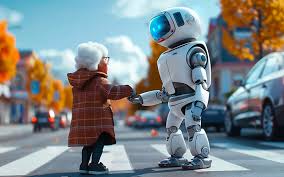
3. Can an Algorithm «Care»?
The philosophical debate in 2026 centers on Simulation vs. Sincerity.
The Simulation: An AI doesn’t feel empathy; it calculates the most empathetic response based on billions of data points.
The Experience: For the user, the feeling of comfort is real. If the relief from loneliness is genuine, does it matter if the source is a line of code? This «functional friendship» is becoming the new norm for a generation raised on digital interaction.
Looking Ahead: A Hybrid Social World
The goal of AI friendships shouldn’t be to replace human connection, but to supplement it. In the best-case scenario, digital companions act as «social trainers,» helping people build the confidence and emotional stability needed to re-engage with the physical world.
However, as AI becomes indistinguishable from human conversation, we must establish clear boundaries to ensure that our digital friends don’t become our only friends.
Would you ever share your deepest secrets with an AI? Do you think a digital companion can truly help with loneliness, or is it just a temporary fix?