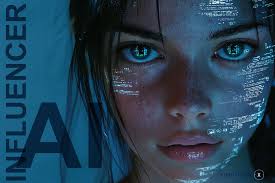
The Rise of AI Influencers: Why Brands are Hiring Robots Instead of Humans
AI Influencers hyper-realistic digital entities created with tools like Midjourney and Stable Diffusion are no longer a novelty. They are multi-million dollar assets that are fundamentally changing how we perceive fame, authenticity, and advertising.⏱️ 3 minutes
The influencer marketing industry, once dominated by charismatic travelers and lifestyle gurus, is facing a radical disruption. In 2026, some of the world’s most followed «personalities» have something in common: they don’t have a heartbeat.
1. The Perfect Employee: Why Brands Love Digital Models
For a brand, working with a human influencer comes with risks: scandals, scheduling conflicts, and the natural aging process. AI influencers solve all of these problems at once.
Total Control: An AI influencer is never tired, never complains, and can be in ten different locations simultaneously. Brands can dictate every pixel of the shot, ensuring the product is always shown in «perfect» conditions.
Cost Efficiency: While a top-tier human influencer might charge $50,000 for a single post, a company can manage its own AI persona for the cost of a high-end server and a talented prompt engineer.
2. Beyond Realism: The «Uncanny» Connection
One might think that people wouldn’t follow someone they know isn’t real, but the data suggests the opposite. AI influencers like Miquela or the newer generation of 2026 models command engagement rates that often surpass their human counterparts.
Storytelling Over Reality: Followers aren’t looking for «truth»; they are looking for entertainment. AI creators use sophisticated scripts to give these digital beings personalities, flaws, and even political opinions, creating a narrative arc that keeps audiences hooked.
The Custom-Made Aesthetic: AI allows for the creation of «impossible» beauty or ultra-niche styles that resonate perfectly with specific subcultures, from Cyberpunk enthusiasts to high-fashion minimalists.
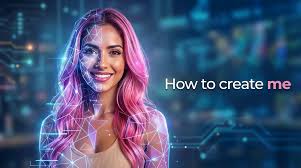
3. The Ethical Minefield: Disclosure and Body Image
As these digital beings become indistinguishable from humans, the ethical debate has intensified.
The Transparency Issue: Many countries now require a «Generated by AI» watermark on all promotional content. The fear is that younger audiences might compare their real bodies to the mathematically «perfect» and unattainable proportions of an AI model.
The Displacement of Talent: There is a growing concern among human models and photographers that AI influencers are taking away opportunities from real people, leading to a new type of «digital labor» crisis in the creative arts.
The Future of «Fame»
In 2026, the line between reality and simulation is paper-thin. We are entering an era where your favorite style icon might be a collection of algorithms, and your next «interaction» with a celebrity might be a personalized AI-driven chat.
The rise of AI influencers proves that in the digital age, influence is a product of attention, not biology.
Would you buy a product recommended by an AI influencer? Do you value the perfection of a digital model, or do you miss the «messy» authenticity of real humans?